


Understanding
Cellular Therapy
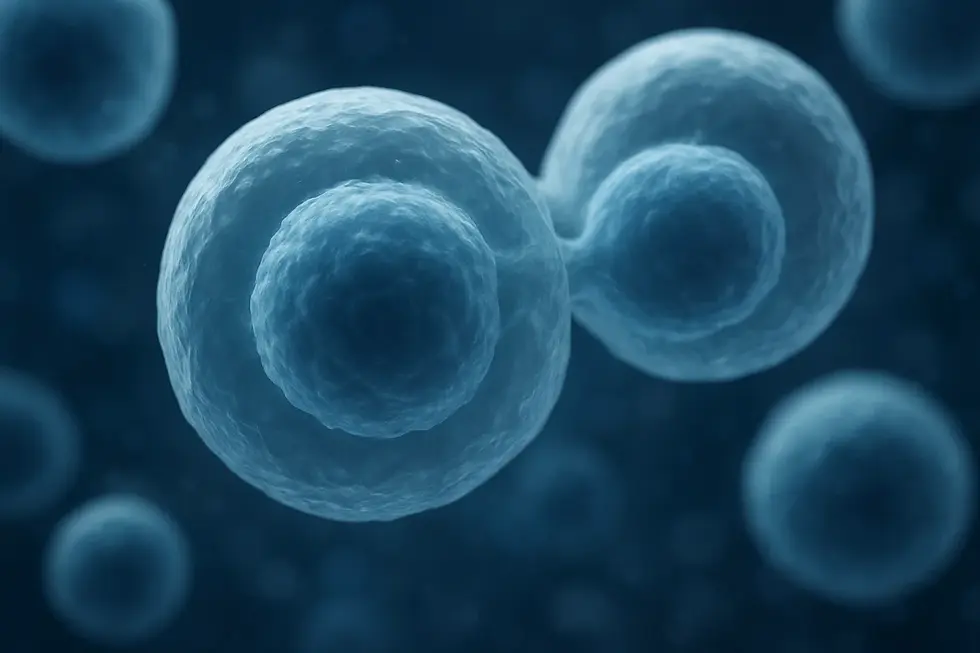
Cellular therapy is a medical approach that uses living cells to influence how the body responds to disease.
These cells do not replace organs or tissues. Instead, they interact with the immune and nervous systems, helping regulate inflammation, support damaged tissues and improve how the body functions at a cellular level.
Rather than acting as a one-time intervention, cellular therapy works by modifying the biological environment in which the disease progresses.
By modulating immune regulation and inflammatory activity, cellular therapy can support meaningful functional improvement, symptom stabilisation and the activation of the body’s own recovery mechanisms.
Key Therapeutic Advantages
no surgery
Stem cell therapy is delivered through precisely controlled local or intravenous administration of a biomedical cell product.
The procedure is performed using specialised medical infusion systems and fine needles, without the need for surgical instruments or operative intervention.
No General Anesthesia Required
Treatment does not require general anesthesia.
This is particularly important for elderly patients, individuals with neurological conditions, or those for whom anesthesia may pose additional medical risks.
Minimal Recovery Time
The procedure requires no special preparation and does not disrupt the patient’s daily routine.
Its non-surgical nature and absence of general anesthesia allow for a short and well-tolerated recovery period.
No risk of rejection
When clinically appropriate, therapy may involve the use of the patient’s own autologous cells, which are generally well tolerated and associated with a low risk of immune reactions.
In cases where autologous therapy is not feasible, carefully selected allogeneic cellular therapies may be applied within strict medical protocols, providing a safe and effective option for specific clinical indications.
Mesenchymal
Stem Cells (MSCs)
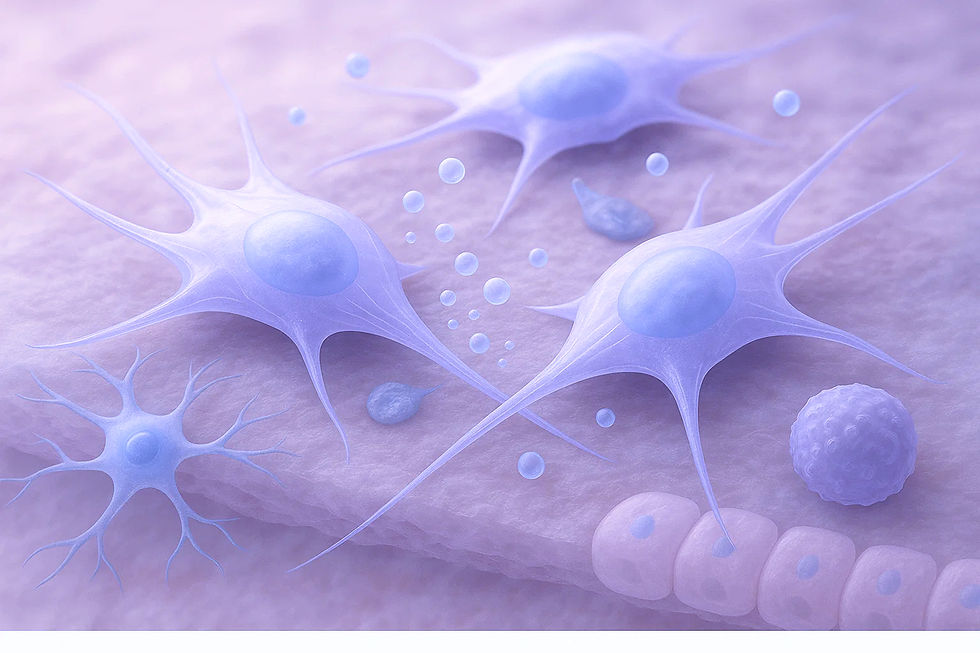
Mesenchymal stem cells (MSCs) are multipotent regenerative cells derived from carefully selected and certified tissue sources. In ALS therapy, they play a key role in reducing neuroinflammation, protecting surviving motor neurons, and promoting repair of damaged neural pathways.
At BioCells Medical, doctors design an individualised MSC protocol — either autologous (using the patient’s own cells) or allogeneic (using donor-derived cells) — to ensure maximum biological compatibility and therapeutic precision.
MSCs release bioactive molecules that enhance communication between nerve and immune cells, strengthen the brain and spinal cord’s resistance to degeneration, and help stop disease progression, supporting function and overall quality of life.

T-regulatory cells
(T-regs)
T-regulatory cells (T-regs) are a unique class of immune cells that act as the body’s natural regulators — preventing destructive inflammation and maintaining immune tolerance around delicate neural structures. In ALS, they play a critical role in suppressing immune-mediated attacks on motor neurons and limiting secondary inflammatory damage in both the brain and spinal cord.
At BioCells Medical, our doctors design a personalised T-reg protocol — autologous (derived from the patient) or allogeneic (donor-based) — to precisely restore immune balance and optimise long-term neuroprotection.
Through this immune recalibration, T-reg therapy can lead to greater stability of neurological function, reduced spasticity and fatigue, and in many cases, noticeable improvement in speech clarity, energy, and daily mobility.

Purified concentrated
exosomes
Purified exosomes are nanoscale biological vesicles naturally released by regenerative cells, carrying potent growth factors, proteins, and micro-RNAs that regulate cellular repair. In ALS therapy, they act as molecular messengers — reducing oxidative stress, stimulating neuronal communication, and supporting metabolic recovery within damaged neural tissue.
At BioCells Medical, our laboratory produces highly concentrated, purified exosome formulations, ensuring exceptional bioactivity and safety.
These ultra-refined exosomes help improve neuromuscular coordination, enhance energy and endurance, and restore clarity of cognitive and motor responses, providing measurable functional gains even at advanced stages of ALS.

Personalised Neurostimulation Therapy
Neurostimulation is a non-invasive medical technology that delivers targeted electrical impulses to re-activate neural pathways weakened by ALS. By modulating specific brain and spinal circuits, it helps restore functional connectivity, improve muscle control, and enhance communication between neurons and peripheral nerves.
At BioCells Medical, neurostimulation is integrated into patient’s personalised regenerative protocol to boost neural responsiveness and maximise therapy outcomes.
Patients often report greater limb strength, improved swallowing and breathing coordination, and a renewed sense of body control and stability — reflecting the therapy’s ability to awaken dormant neuro-muscular potential.

Peptide-Based
Protocol
Peptide therapy uses precise biological molecules that act as cell-to-cell messengers, helping restore disrupted communication within the nervous and immune systems. In ALS, targeted peptides assist in improving mitochondrial efficiency, enhancing protein synthesis, and reducing chronic inflammation that accelerates neuronal loss.
At BioCells Medical, our doctors integrate custom-tailored peptide formulations into patient’s regenerative plan to reinforce neuroprotective and metabolic stability.
This approach supports better muscle endurance, greater cognitive clarity, and sustained energy balance, amplifying the overall results of stem cell and exosome-based therapies.

Comprehensive Medical Rehabilitation
Following treatment, patients enter a structured medical rehabilitation and follow-up phase.
Each patient is supervised by a dedicated rehabilitation specialist who monitors recovery, functional status and overall well-being, providing individual recommendations and ongoing medical guidance.
Objective health data collected through a medical-grade wristband supports clinical decision-making, allowing continuous assessment of recovery dynamics and quality-of-life indicators.


Trusted by Patients Worldwide


Journey to Recovery
Starts Here
Personalised regenerative treatment designed around you.